Pigmentation isn't one condition — it's several, each with a different cause and a different fix. At Smart Surgeons in Trivandrum, we identify what's actually causing your dark patches, spots, or uneven tone before recommending any treatment.
★★★★★ 4.8 · Trivandrum's most trusted aesthetic clinic
01We identify whether it's melasma, sun damage, post-acne marks, or a hormonal trigger — before recommending anything
02Your treatment plan is matched to your pigmentation type and skin tone, not a fixed package
03Chemical peels, Pico laser, and topical protocols — selected for what Kerala skin tones respond to safely
04Standardised, diagnosis-led protocols with transparent packages
Understanding the condition
What is pigmentation — and why one cream doesn't fix it?
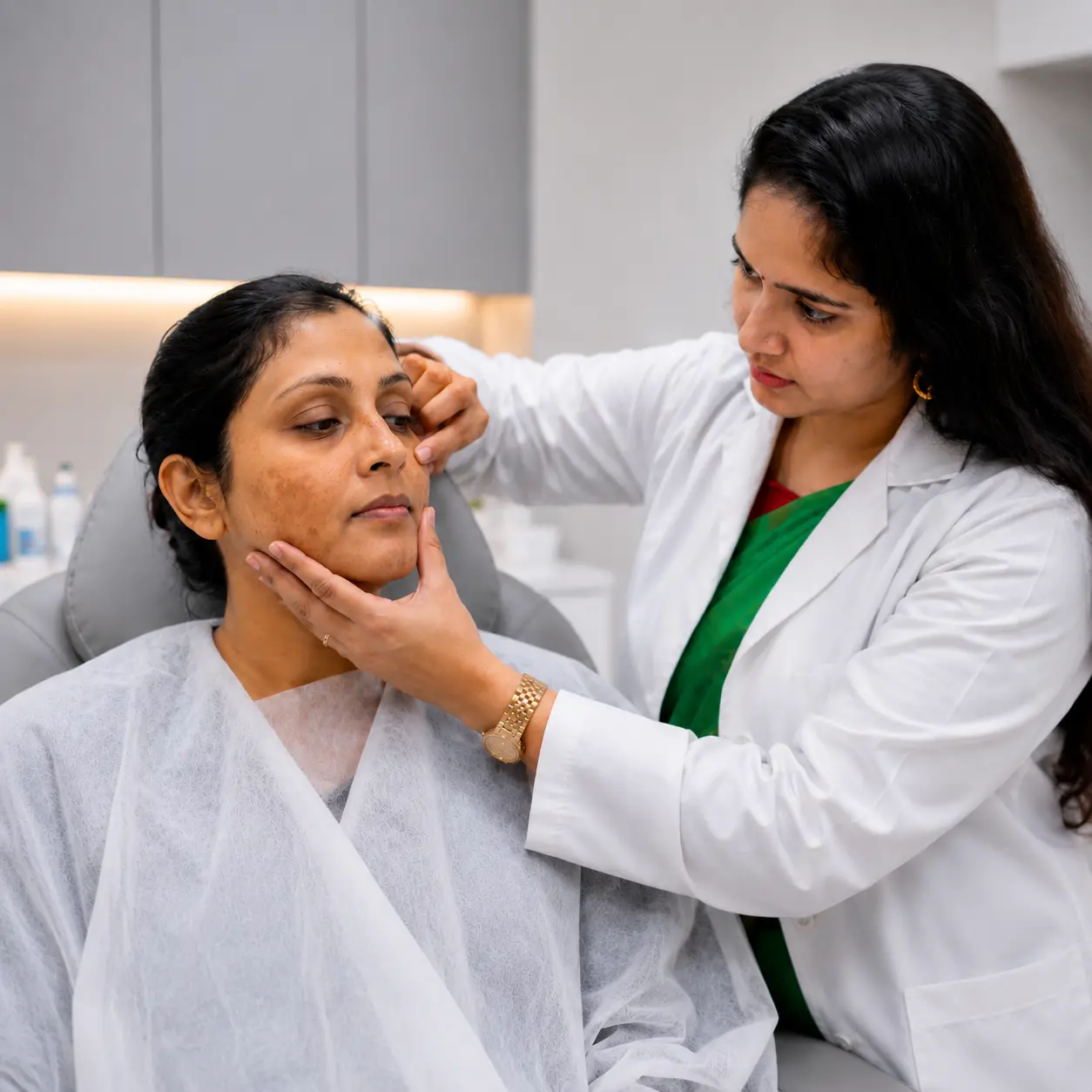
Diagnosis before treatment — every pigmentation plan at Smart Surgeons starts with identifying the cause.
Melanin overload causes pigmentation — sun, hormones, or inflammation trigger pigment-producing cells to overproduce in one spot1
Pregnancy is a common hormonal trigger — melasma is nicknamed the "mask of pregnancy," and usually fades after delivery23
Trivandrum's UV index stays high year-round, even on cloudy or monsoon days — a major driver of sun-induced pigmentation and melasma flare-ups here
Creams and home remedies treat the surface, not the trigger — most patients try them for months before results plateau
Root cause first — until the hormonal, inflammatory, or UV trigger is addressed, pigmentation stalls, fades partially, or returns
The pigmentation types we see most in Trivandrum
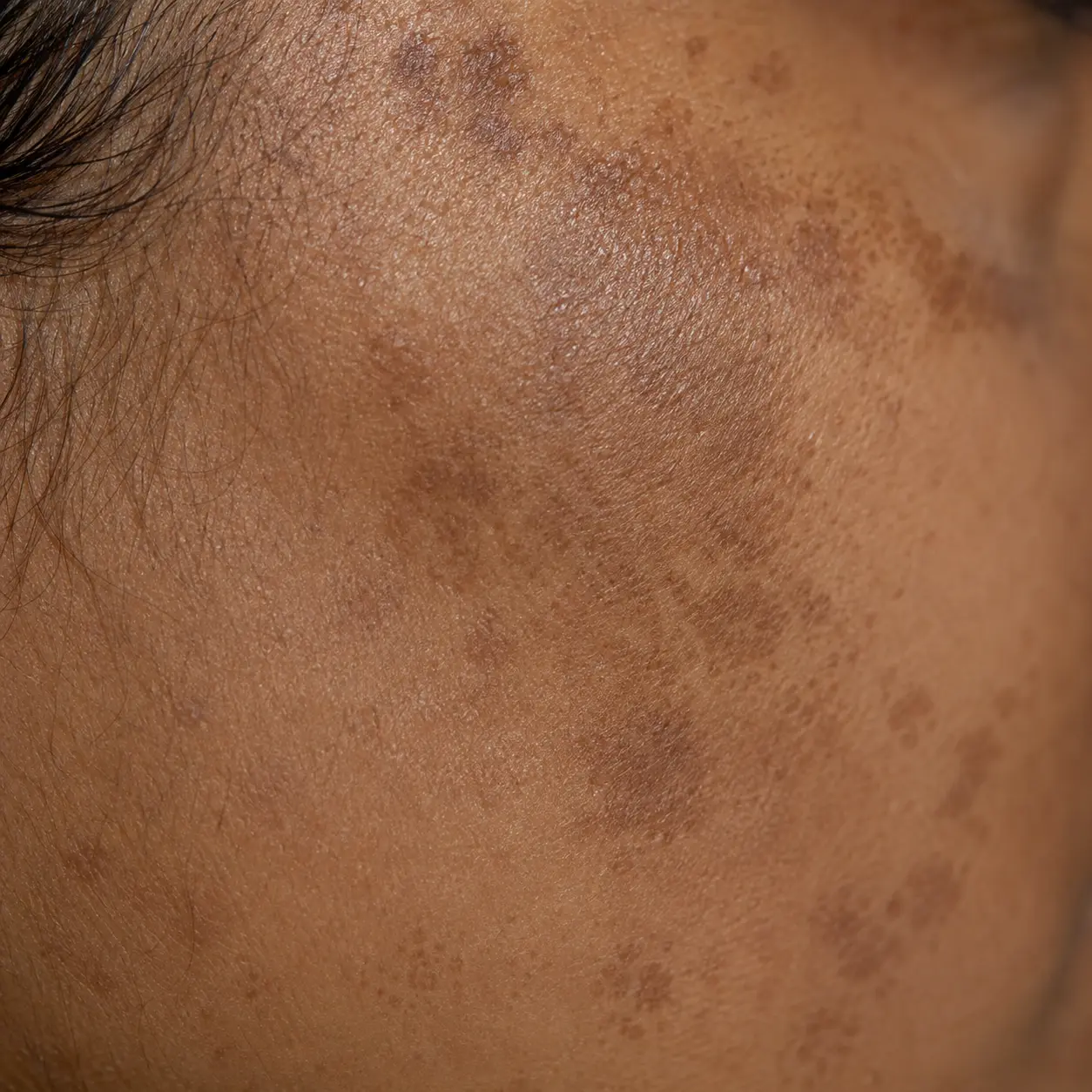
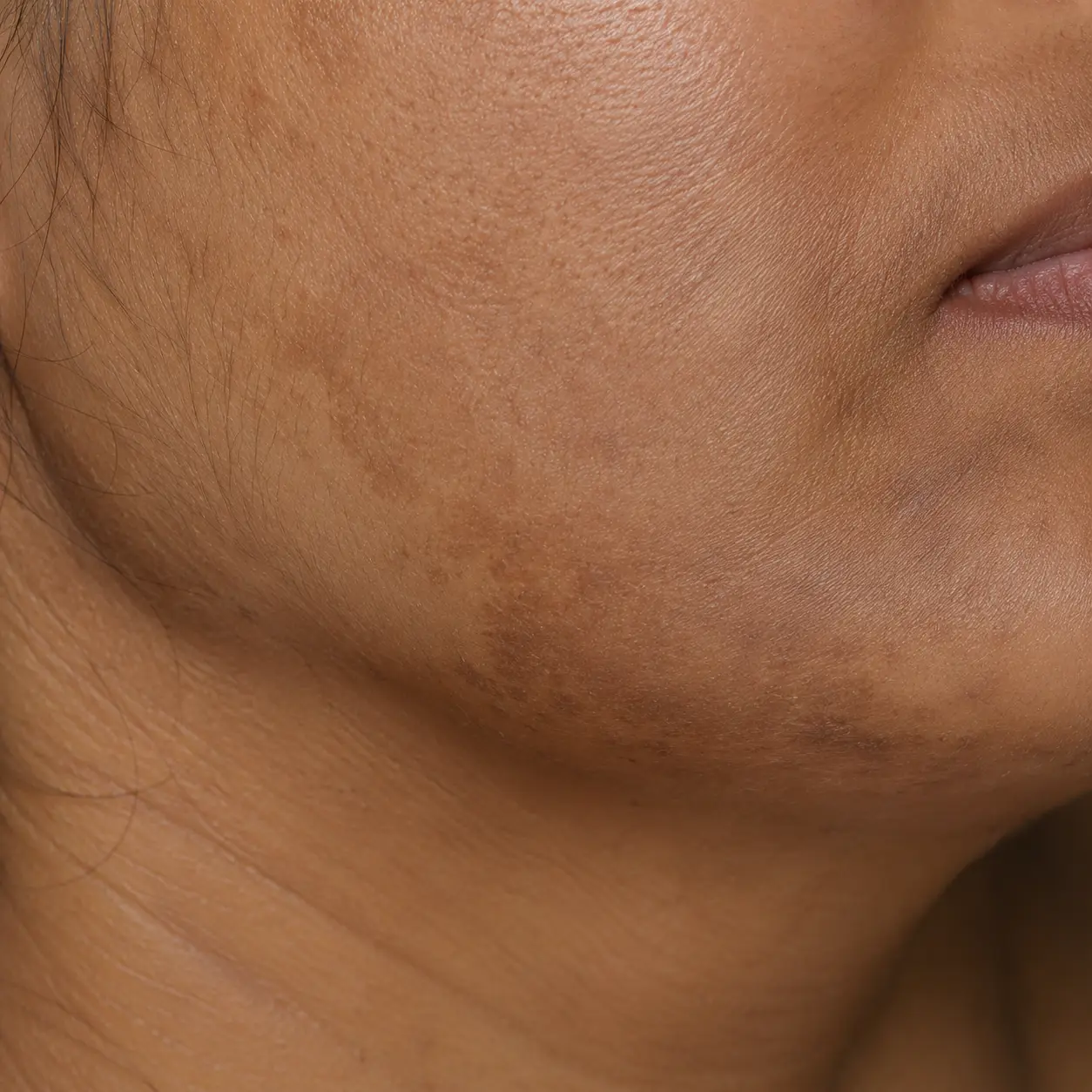
MelasmaSymmetrical brown-grey patches, usually on both cheeks or the forehead, can be linked to hormonal shifts (pregnancy, contraceptives, thyroid changes) among other triggers, including genetics34
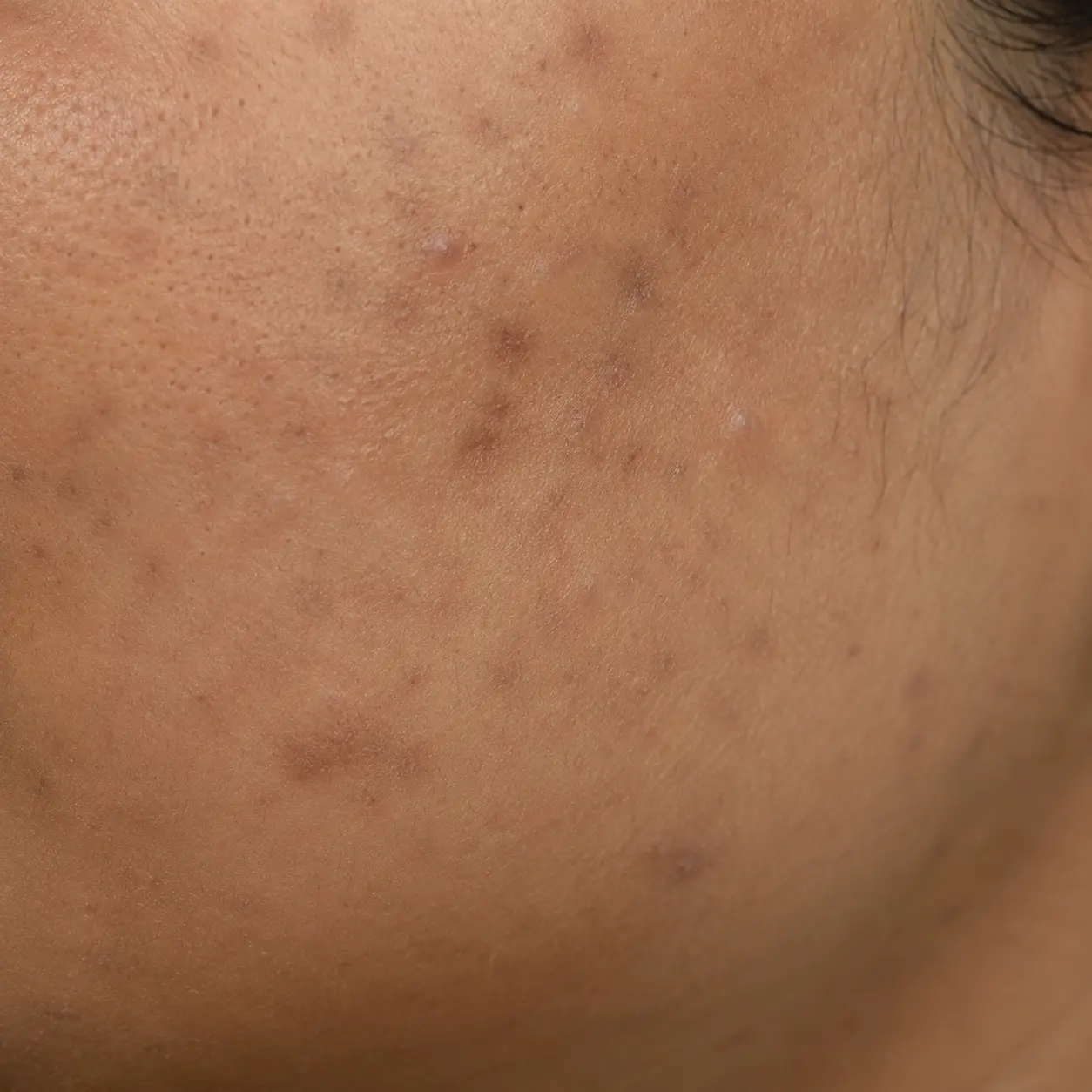
Post-inflammatory marksDark spots left behind after acne, cuts, or skin irritation heals
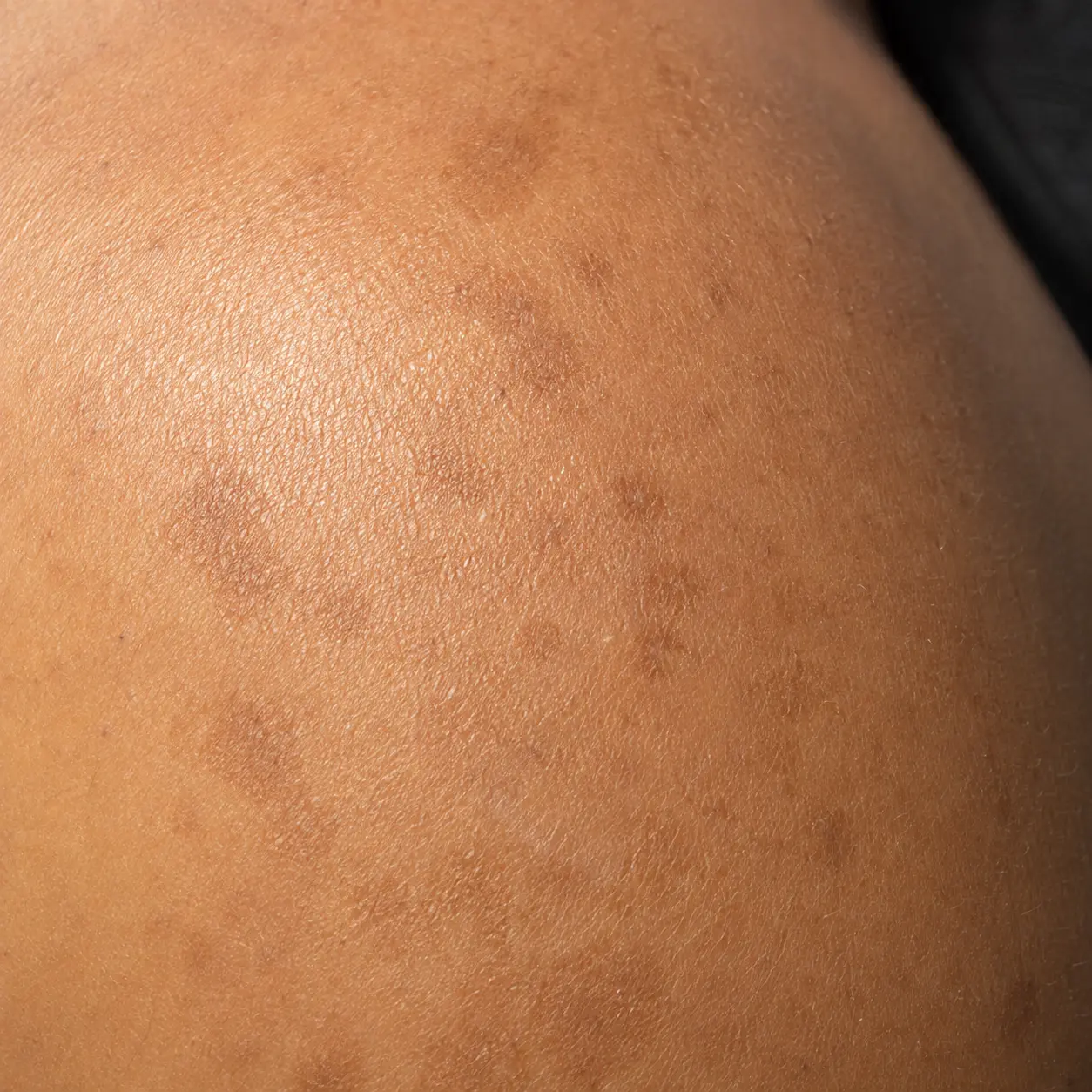
Sun-induced pigmentationPatchy tanning and sun spots from prolonged, repeated UV exposure
Hormonal pigmentationIncluding pigment changes during pregnancy, on contraceptives, or with thyroid conditions
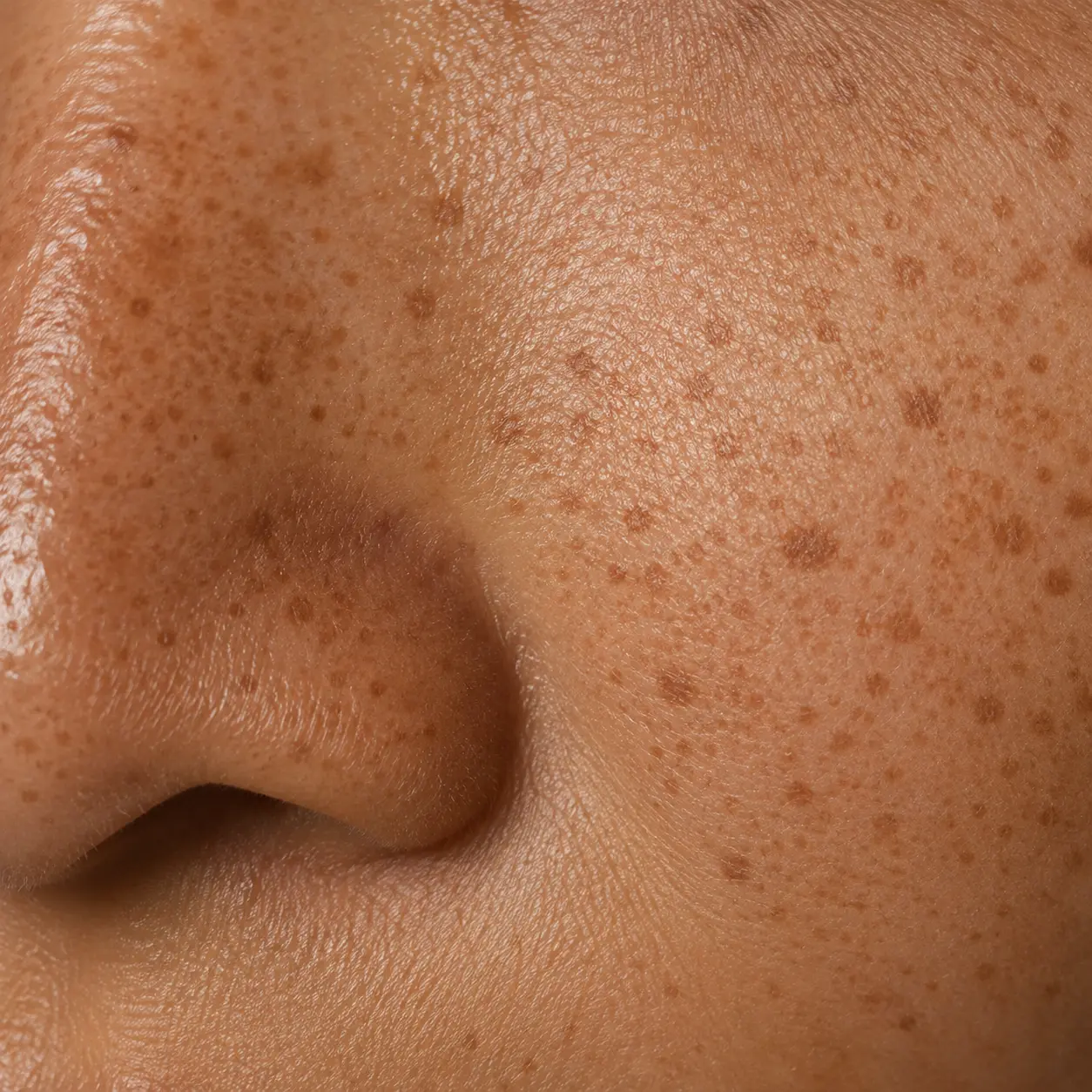
Freckles & sun spots (lentigines)Small, well-defined spots that build up from years of sun exposure
Different pigmentation types sit at different depths and respond to different triggers. Some genuinely fade as sun exposure drops. Others — melasma, deeper post-inflammatory marks — persist or worsen without a matched treatment plan. Diagnosis comes first.
Our treatments
Pigmentation treatments at Smart Surgeons — matched to your diagnosis
We select the modality based on your pigmentation type and skin tone, not a fixed protocol.
01
Chemical Peels
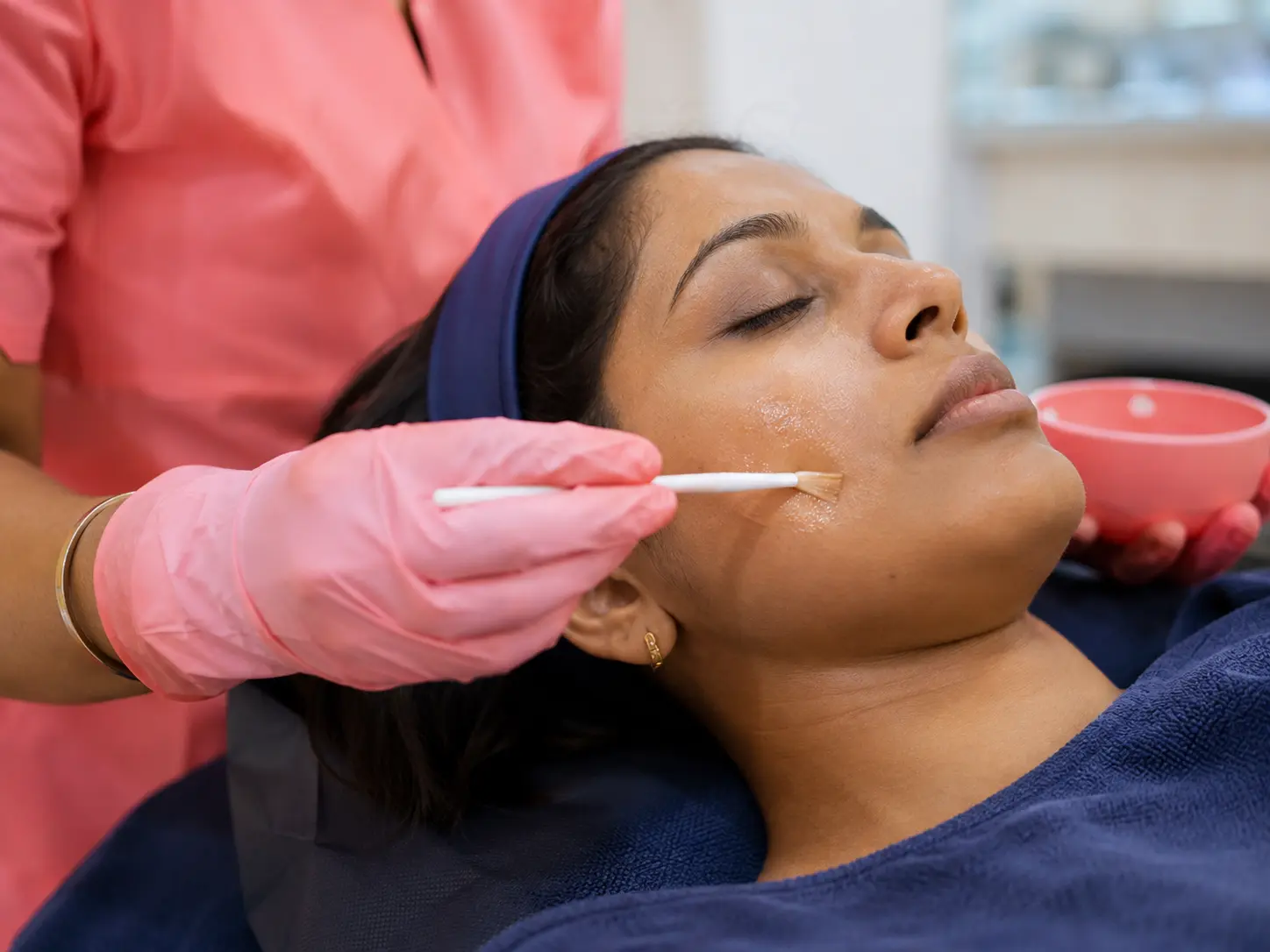
For surface-level pigmentation — sun spots, post-acne marks — a series of peel sessions resurfaces the top layer of skin, helping pigmented cells shed and turn over. Plans are built around your skin's tolerance and how deep the pigmentation sits56.
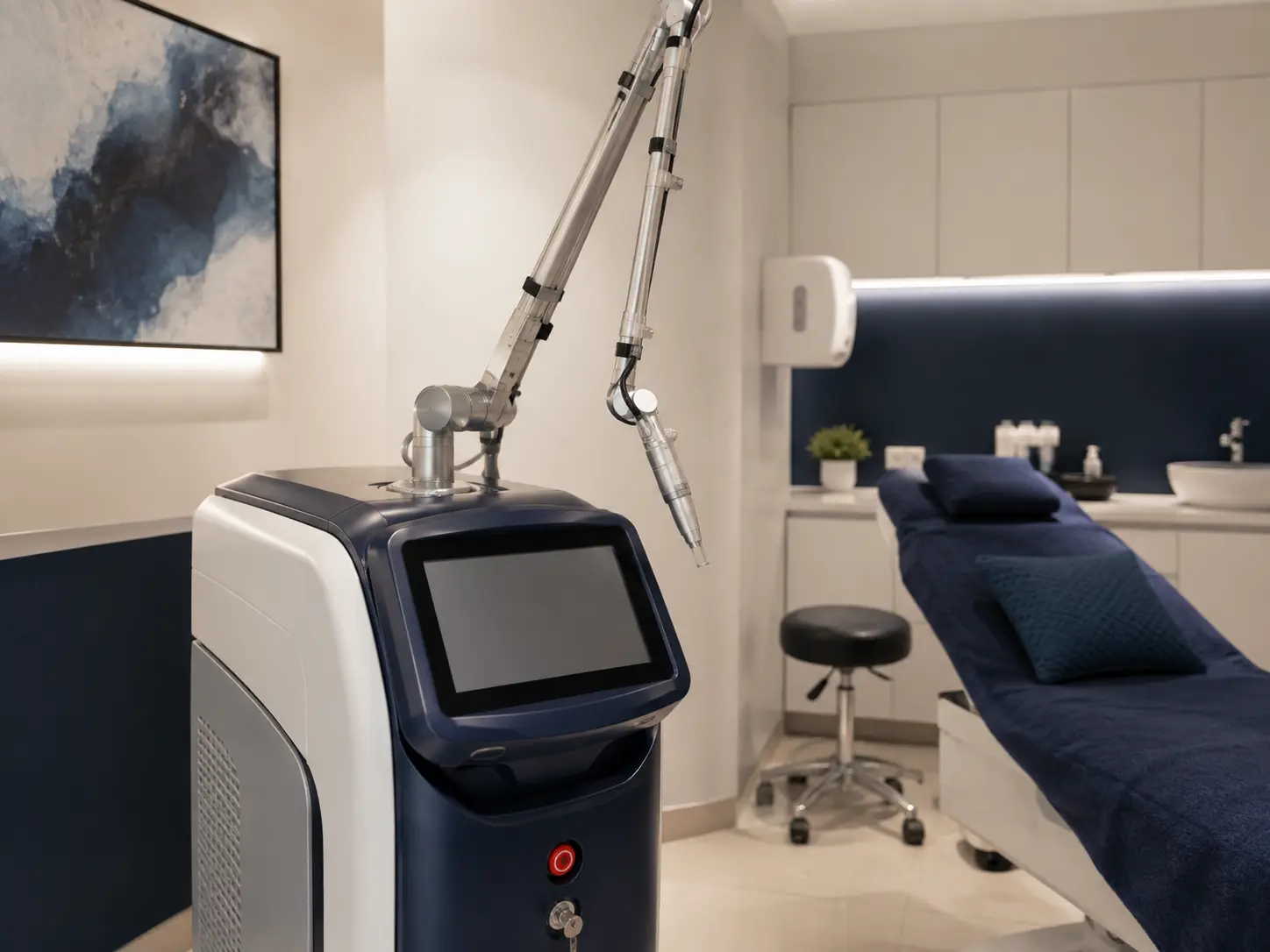
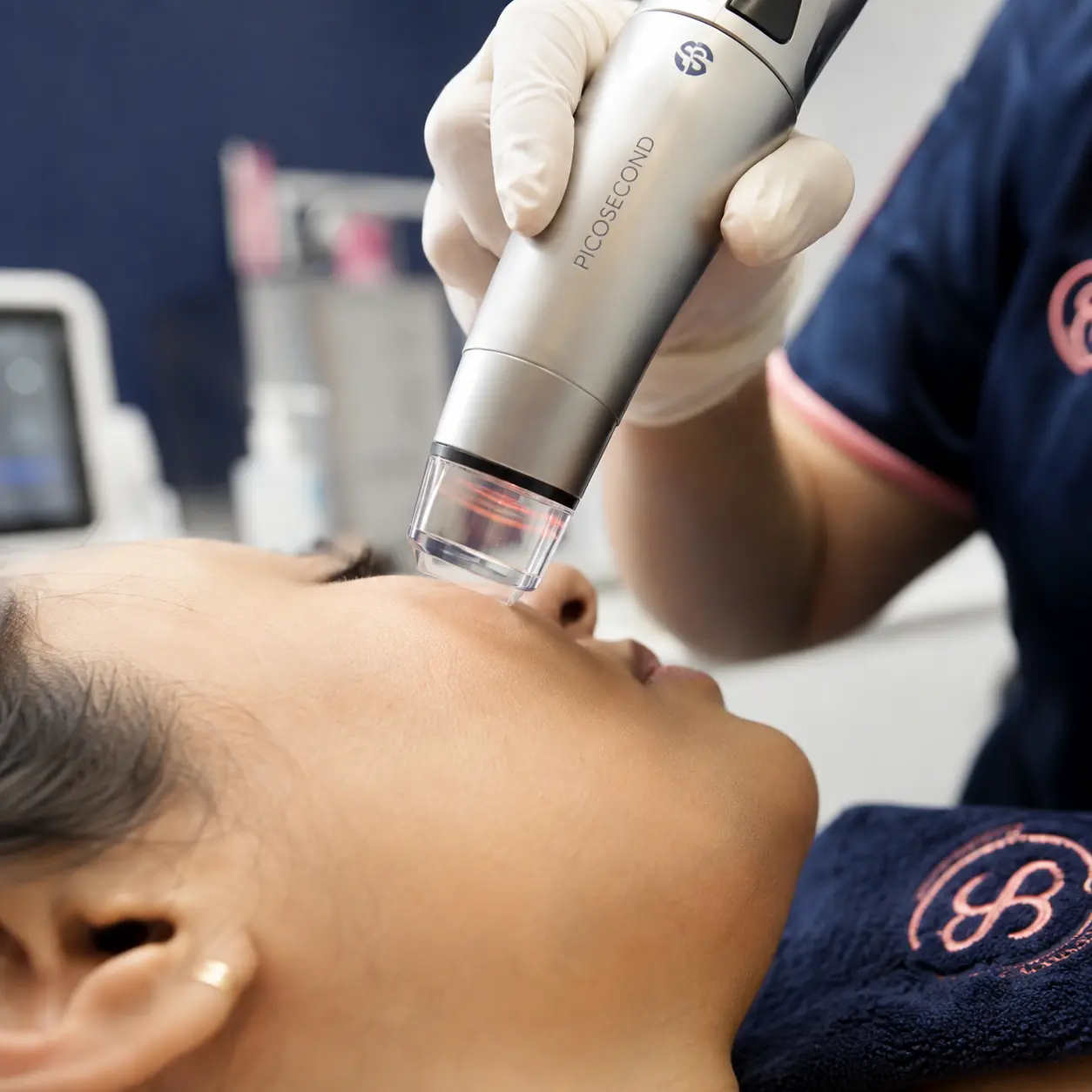
Pico laser uses ultra-short pulses to break down pigment, transferring less heat than older lasers — safer for darker skin tones, where the wrong laser can trigger further pigmentation instead of clearing it78. Typically used for deeper pigmentation that hasn't responded to peels alone.
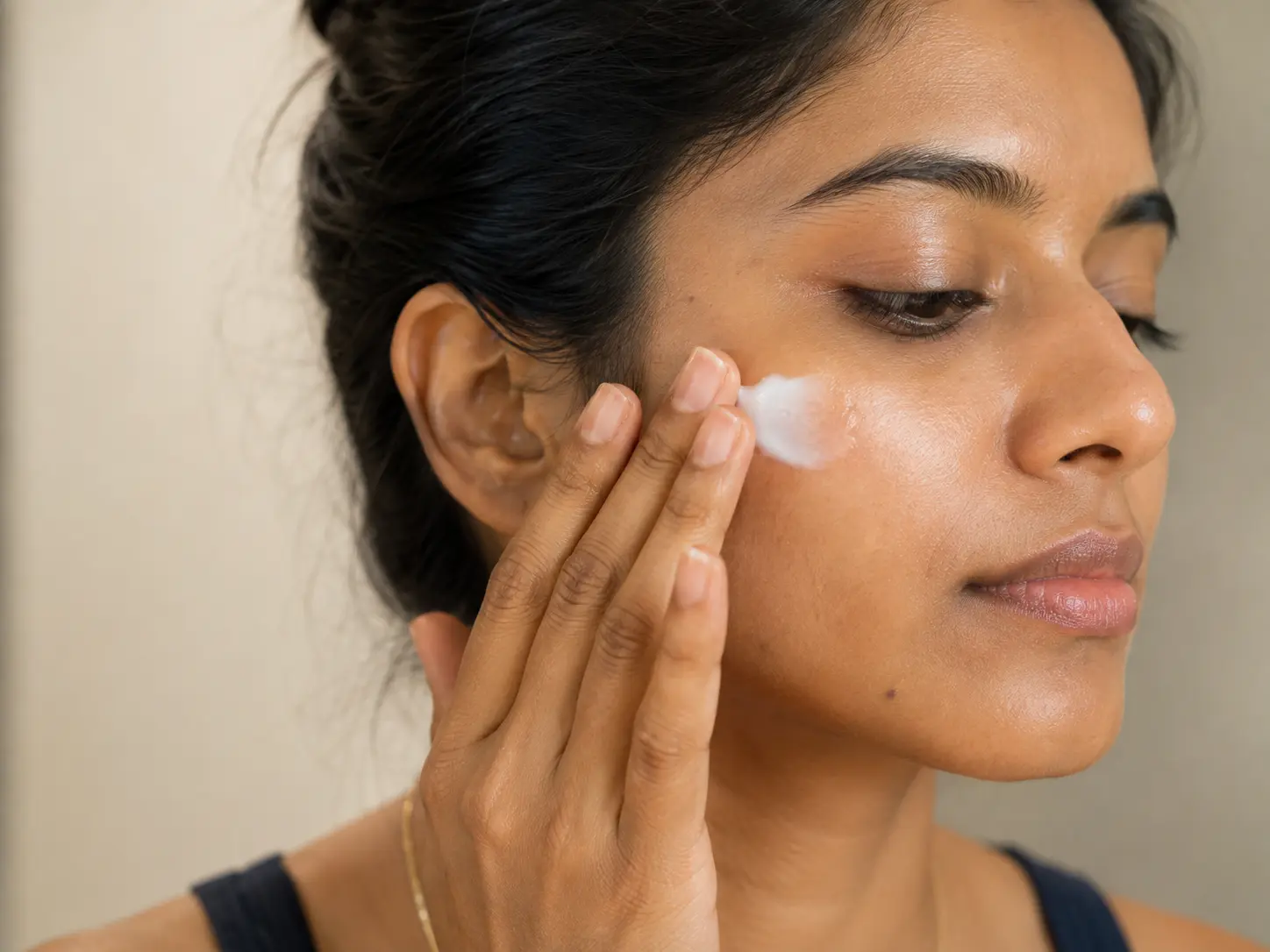
Prescription-strength topicals and daily sun protection work alongside in-clinic procedures — most important for melasma and hormonal pigmentation, which return more easily without maintenance9.
MaintenanceMelasma-prone skinDaily protocol
The Smart Surgeons approach
Diagnosis before device selection
Pigmentation type and skin tone together decide which treatment is safe and effective — that's why diagnosis comes before any device is chosen. The wrong laser on the wrong skin tone can trigger more pigmentation, a documented risk in darker skin types78. Standardised, diagnosis-led protocols keep outcomes consistent.
Looking to improve overall skin tone and texture beyond spot treatment? See our Skin Boosters. Curious about our laser technology more broadly? Explore Laser Hair Reduction.
Setting expectations
What to expect — honestly
Every visit is logged digitally, so your pigmentation can be tracked across seasons — not just compared to a single "before" photo.
01
Your consultation
A skin assessment to identify your pigmentation type
A review of your sun, hormonal, and treatment history
An honest read on what's treatable, and the timeline
Your type and skin tone — not a fixed package — decide the plan
02
During treatment
A clinic visit roughly once every 3–4 weeks
Session count varies — 2–3 peel sessions for some, 6 or more for types like melasma
Modality and session count set after diagnosis, never fixed in advance
Sun protection guidance for between sessions, since UV exposure can undo progress
03
After treatment
An honest timeline — gradual improvement, not overnight change
A recurrence-prevention plan, since melasma can return with sun or hormonal triggers910
Digital tracking across seasons — not just one "before" photo
Daily sun protection guidance — key to preventing recurrence910
Why Smart Surgeons
Why patients choose us for pigmentation treatment in Trivandrum
Honest expectations
Pigmentation, especially melasma, can return with sun or hormonal triggers910 — we build prevention into treatment from day one, not as a promise of a one-time fix.
Diagnosis-led protocol
Treatment is matched to your pigmentation type and skin tone, reducing the risk of the wrong laser worsening pigmentation on deeper skin tones78.
Continuity via digital records
Pigmentation is tracked across visits and seasons, so your plan adjusts as triggers change over time.
Ready to understand your pigmentation?
Start with a consultation to find out what's actually causing it.
Pigmentation treated with clinical precision — not guesswork
Pigmentation care is led by two doctors with complementary training — Dr. Minnu G Dev's medical-aesthetic background suits hormonal and pregnancy-linked cases, while Dr. Thafzeerath N brings fellowship training in facial aesthetics. Both diagnose before recommending any treatment.
Dr. Minnu G Dev
Aesthetic & Cosmetic Specialist
MBBS — Madras Medical College
MS in Gynecology
FRM (Germany)
Diplomate in Aesthetic & Cosmetic Gynecology & Lasers
Pigmentation treatment in Trivandrum — your questions answered
Pigmentation happens when melanocytes — the skin's pigment-producing cells — are triggered to overproduce melanin in one area. The trigger can be sun exposure, hormonal changes, or inflammation from acne or injury1. Tanning is different: it's your skin's normal, temporary protective response to UV light, and it usually fades on its own. Melasma, post-inflammatory marks, and long-term sun damage are more persistent — they typically need a diagnosis-matched treatment plan to improve.
Melasma is a hormone-linked type of pigmentation that usually shows up as symmetrical brown-grey patches on both cheeks or the forehead. Hyperpigmentation is a broader term for any localized skin darkening, including sun spots and marks left behind by acne or injury4. Melasma is technically one type of hyperpigmentation, but it behaves differently — it's more hormonally driven and more prone to coming back with triggers like sun exposure or pregnancy.
For darker skin tones common in Kerala, picosecond (Pico) lasers are generally favoured over more aggressive options. The wrong laser can trigger further pigmentation instead of clearing it78. Published reviews of picosecond laser use in skin of colour report mostly mild, temporary side effects and low rates of new pigment changes — but only when the treatment is matched correctly to skin type. That's why assessment before treatment matters as much as the device itself.
It depends on the treatment and the type of pigmentation. Some pigmentation responds to as few as 2–3 advanced peel sessions; other types, including melasma, need 6 or more — with visits roughly every 3–4 weeks. That's simply how the clinic's protocols work in practice: it depends on what's actually causing the pigmentation, not a fixed package. The exact number is set after your diagnosis, not promised upfront.
Honestly — for some types, yes, it can. This is the single most common concern patients search for and ask us about. Pigmentation caused by ongoing hormonal activity (like melasma) or repeated sun exposure can return, and recurrence is common without an ongoing maintenance and sun-protection plan9. This isn't a sign treatment "failed" — it's why we build a maintenance and sun-protection plan into every pigmentation protocol from the start, rather than treating it as a one-time fix.
Neither is universally "better" — it depends on how deep the pigmentation sits and what caused it. Chemical peels tend to work well for pigmentation near the surface, like sun spots and post-acne marks. Pico laser is generally used for deeper or more stubborn pigmentation, especially where skin-tone-safe precision matters578. Many patients end up on a combination of both, plus topical maintenance, based on what the initial assessment shows.
 Not sure if it's a mole or pigmentation? See Moles & Skin Tags →